


Electrical insulation becomes more challenging when equipment operates under high temperatures, electrical stress, and demanding mechanical conditions. In applications such as motors, transformers, heating elements, and electronic wiring systems, insulation materials must do more than simply cover a conductor. They need to maintain their electrical properties, resist environmental influences, and provide reliable mechanical protection throughout the equipment's operating life.
Polyimide film tubing is one solution used in these applications because of its electrical insulation characteristics and ability to operate across a wide temperature range. Unlike conventional insulation sleeves, which may have limitations under certain thermal conditions, polyimide-based tubing is designed for applications where temperature resistance and electrical performance are important considerations.
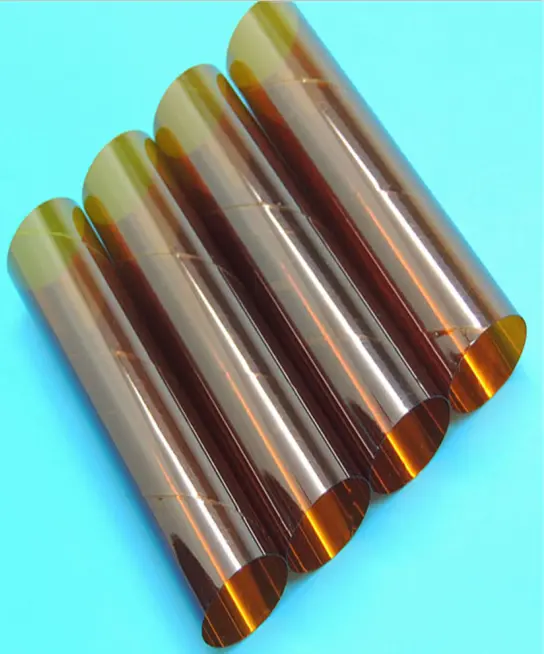
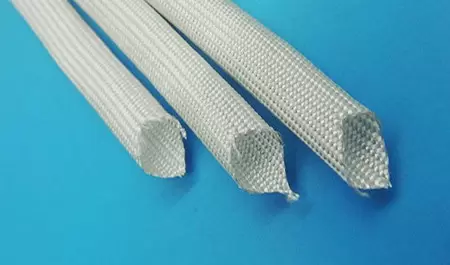
The Polyimide Film Tubing SB-PFT manufactured by Sunbow is designed for electrical insulation and mechanical protection in various industrial applications. Its twisted polyimide film construction, specialized adhesive bonding, and available dimensional range make it suitable for protecting solder joints, wire harnesses, transformer connections, motor wiring, and other electrical components.
Electrical equipment generates heat during normal operation. Motors produce heat through winding losses, transformers experience temperature increases during power conversion, and heating elements are specifically designed to operate at elevated temperatures.
In these environments, insulation materials must withstand repeated thermal exposure without losing their ability to protect electrical conductors.
Several factors make high-temperature insulation particularly important.
Electrical insulation stability: Insulation must maintain appropriate electrical resistance to reduce the risk of current leakage and unwanted electrical contact between conductors or surrounding components.
Mechanical protection: Wires and connections may experience friction, vibration, bending, and movement during equipment operation. An insulation sleeve also needs to provide a protective barrier against these mechanical influences.
Environmental resistance: Industrial equipment may encounter moisture, oils, acids, solvents, and other substances. The compatibility of an insulation material with its operating environment can affect its long-term suitability.
Temperature variation: Equipment may experience different temperatures during startup, continuous operation, shutdown, and maintenance. Selecting an insulation material requires understanding both normal operating temperatures and possible temperature excursions.
For these reasons, engineers should evaluate insulation tubing based on its complete performance profile rather than relying on a single temperature rating.
The structure of polyimide film tubing directly influences its performance and application.
SB-PFT is manufactured by twisting polyimide film and bonding it with a special adhesive. According to the product specifications, the adhesive has chemical characteristics similar to polyester film.
This construction creates a tubular insulation structure that can be used to cover electrical connections, conductors, and other components requiring insulation and mechanical protection.
Unlike a simple flat insulating film, tubing provides a ready-made sleeve configuration. This makes it easier to apply around compatible wires and connection points during electrical assembly.
The twisted film structure is particularly relevant when considering the product's dimensional options. Its available inside diameter ranges from 2.0 mm to 65 mm, with wall thicknesses from 0.05 mm to 0.5 mm and standard lengths from 10 mm to 1800 mm.
These dimensions allow manufacturers to select different configurations according to the size of the conductor or component being protected.
The product is supplied in light yellow, providing a consistent appearance for identification and inspection during assembly.
Temperature resistance is one of the main considerations when selecting insulation tubing for industrial equipment.
The SB-PFT product specifies a working temperature range of -60°C to +220°C. Its listed service temperature range is -269°C to 260°C, while its melting point is specified as 250°C to 265°C.
These figures should be interpreted according to their respective meanings. Working temperature refers to the stated operating range for the product, while service temperature and melting point describe different material characteristics. They should not be treated as interchangeable continuous-use ratings.
For equipment manufacturers, the practical selection process should begin with the actual temperature conditions surrounding the insulated component.
For example, motor windings and internal connections may experience temperature increases during extended operation. Transformer connections may be exposed to heat generated by electrical loading. Heating equipment may also create localized thermal conditions that differ from the surrounding ambient temperature.
In each case, engineers should consider the temperature at the actual installation position rather than relying only on the general operating temperature of the equipment.
The Polyimide Film Tubing from Sunbow provides a stated working temperature range of -60°C to +220°C, making it a candidate for applications requiring insulation under elevated thermal conditions within the specified limits.
Before implementation, manufacturers should verify the suitability of the complete tubing structure, including its adhesive bonding, for the intended temperature, duration, and environmental conditions.
Temperature resistance alone does not determine whether an insulation sleeve is suitable for electrical equipment. Electrical properties are equally important, particularly in applications involving continuous voltage exposure or closely arranged conductors.
Several technical specifications of SB-PFT are relevant to electrical insulation assessment.
| Electrical characteristic | Product specification |
|---|---|
| Surface resistivity at 200°C | ≥1.0 × 10¹³ |
| Volume resistivity at 200°C | ≥3.8 × 10¹⁰ |
| Dielectric coefficient at 50 Hz | 3.5 |
| Dielectric loss at 50 Hz | ≤4 × 10⁻³ |
| Resistance pressure test | 50 Hz, 115 MV/min, not perforative |
Surface resistivity describes resistance to electrical conduction along the material surface, while volume resistivity relates to electrical conduction through the material itself.
These properties are useful when evaluating insulation materials for electrical assemblies where leakage current and insulation stability are concerns.
The dielectric coefficient and dielectric loss also provide information about how an insulating material behaves within an alternating electric field. Lower dielectric loss can be relevant in applications where electrical energy dissipation within the insulation needs to be considered.
The listed resistance pressure test result provides another reference for evaluating the product's electrical insulation performance. For engineering approval, buyers should request the manufacturer's detailed test method, sample conditions, and supporting documentation to confirm how the reported result applies to their specific requirements.
Electrical insulation sleeves are often installed in locations where they are exposed to more than heat and electrical stress.
During equipment assembly, wires may be pulled through narrow spaces, positioned near metal edges, or routed around other components. Once installed, they may experience vibration, movement, and contact with surrounding materials.
SB-PFT provides several mechanical and environmental characteristics that are relevant to these conditions.
Its specified tensile strength is at least 130 MPa in the longitudinal direction and 110 MPa in the horizontal direction. These values help buyers assess the mechanical strength of the tubing structure.
The product also lists excellent tenacity and resistance to abrasion, immersion, mildew, mechanical damage, acids, industrial solvents, Freon, and special liquids.
Its chemical resistance specifications indicate that the material remains undissolved in the listed acids, oils, paints, and industrial solvents. The product also has negligible corrosive effects on copper according to the supplied technical information.
These characteristics are particularly relevant when the tubing is used near electrical connections and conductive components.
However, chemical resistance depends on the specific substance, concentration, exposure temperature, and contact duration. For applications involving aggressive industrial chemicals, compatibility testing under actual operating conditions is recommended.
The combination of electrical insulation and mechanical protection makes polyimide film tubing suitable for several types of electrical equipment.
1. Motors and Transformers
Motors and transformers contain numerous conductors and electrical connections that require insulation. During operation, these components may experience elevated temperatures and continuous electrical stress.
Polyimide film tubing can be used to cover selected wire connections, lead wires, and other components where its dimensions and electrical properties meet the design requirements.
For transformer manufacturers, the availability of different inside diameters and wall thicknesses also provides flexibility when selecting sleeves for different conductor sizes.
2. Wire Harnesses and Electrical Connections
Wire harnesses are commonly found in industrial machinery, automotive systems, home appliances, and electronic equipment.
Their conductors may pass through confined spaces or connect to terminals where additional insulation and mechanical protection are required.
Tubing can help cover exposed connection areas and provide a defined protective layer around compatible wiring components.
3. Heating Elements and Electrical Appliances
Heating equipment creates localized high-temperature conditions that place additional demands on insulation materials.
Polyimide film tubing may be considered for suitable electrical connections and wiring sections associated with heating elements, provided the actual operating temperature and installation conditions remain within the product's verified limits.
4. Capacitors and Electronic Equipment
Capacitors and electronic assemblies contain electrical connections that require appropriate insulation and protection.
The tubing can be used in selected connection and wiring applications where the dimensional and electrical specifications match the equipment design.
Choosing the correct dimensions is essential for ensuring that insulation tubing can be installed properly and perform its intended function.
The main factors include inside diameter, wall thickness, and length.
Inside diameter: The tubing must accommodate the conductor or component being covered. An undersized sleeve may be difficult to install, while an oversized sleeve may not provide the intended positioning or coverage.
Wall thickness: Wall thickness influences the physical dimensions of the sleeve and is an important consideration when assessing insulation and mechanical protection requirements.
Length: The required length depends on the area that needs to be insulated. Buyers should consider the complete connection structure, including exposed conductor sections and adjacent components.
SB-PFT offers the following dimensional range:
Inside diameter: 2.0–65 mm
Wall thickness: 0.05–0.5 mm
Length: 10–1800 mm
Color: Light yellow
In addition to these standard dimensions, Sunbow can manufacture other sizes upon request.
For customized orders, buyers should provide the required inside diameter, wall thickness, length, operating temperature, and intended application. Where necessary, they should also communicate the electrical and mechanical performance requirements for technical confirmation.
The performance of an insulation sleeve depends not only on its raw material but also on manufacturing consistency, process control, and product testing.
Shenzhen Sunbow Insulation Materials MFG. Co., Ltd. was established in 2003 and specializes in the research, development, manufacturing, and sales of various insulation sleeves.
With more than 20 years of industry experience, the company has developed a manufacturing operation supported by an experienced R&D team, production equipment, and testing facilities.
Its manufacturing infrastructure includes two production facilities in Shenzhen and Dongguan, covering nearly 20,000 square meters. The company reports a monthly production capacity of more than 40 million meters of various insulation sleeves, supporting the requirements of customers across different industries.
Sunbow also has more than 60 patents and has received recognition as a Shenzhen High-tech Enterprise and National High-tech Enterprise. Its quality management systems include ISO 9001:2015 and IATF 16949:2016 certification.
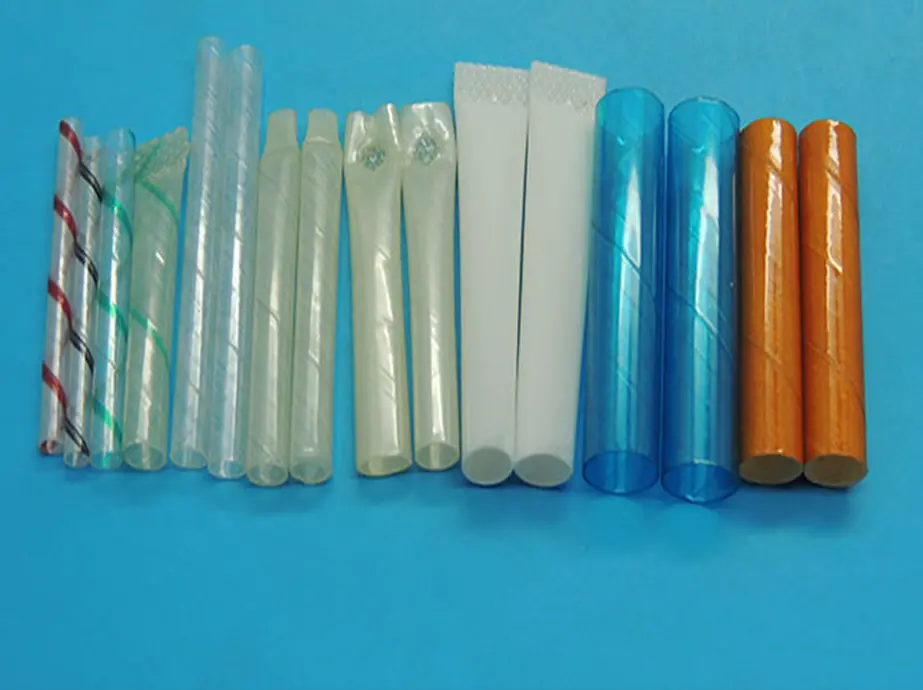
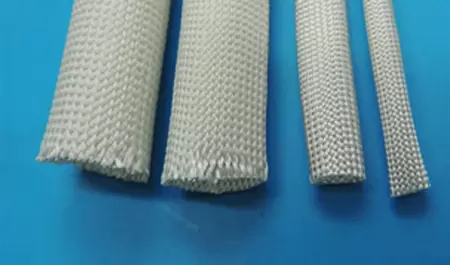
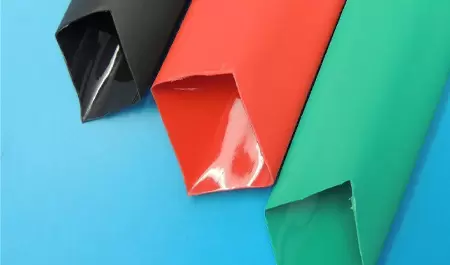
Its product range covers fiberglass sleeving, heat shrinkable tubing, PVC tubing, silicone rubber tubing, PTFE tubing, expandable sleeving, corrugated pipes, and polyimide film tubing.
These products serve applications in motors, home appliances, electric heating equipment, transformers, electronic wiring harnesses, power distribution equipment, new energy vehicles, energy storage systems, and other industrial sectors.
Sunbow also supplies insulation materials to international customers across the automotive, electrical appliance, telecommunications, and industrial equipment industries.
For buyers sourcing polyimide film tubing, working with a manufacturer that has established production capacity and technical testing capabilities can help simplify specification confirmation, customized sizing, and quality evaluation.
High-temperature electrical applications require insulation materials that can provide suitable thermal performance, electrical resistance, and mechanical protection. Selecting the right tubing involves understanding the actual operating environment, evaluating electrical and mechanical specifications, and matching the dimensions to the equipment structure.
With its twisted polyimide film construction, special adhesive bonding, stated working temperature range of -60°C to +220°C, and multiple dimensional options, Polyimide Film Tubing SB-PFT offers an insulation solution for suitable applications involving motors, transformers, wire harnesses, cables, heating elements, and electrical appliances.
Backed by its manufacturing experience, R&D capabilities, and established quality management systems, Shenzhen Sunbow Insulation Materials MFG. Co., Ltd. provides insulation tubing solutions for industrial customers seeking consistent specifications and customized product dimensions.




 EN
 VI
 IT
 ES
 TH
 TR
 JA
 PT
 RU
 FR
 DE
 AR
 ID
 EN
 中